
The Language of Tourette
Motherless BrooklynThe novel makes Lionel’s language both a bodily compulsion and a way to engage the world, tracing how its social meanings shift between comedy, concealment, connection, and pain.
increasing Bearing strength in each event
 decreasing
Bearing strength in each eventdecreasingWords Behind the Teeth

Words Behind the Teeth
Language gathers
Lionel Essrog experiences words as a growing internal pressure, repeating sounds and altering names before he can explain the process. At first he tries to translate this energy into silent movements.
Speech as exposure
He fears that spoken language will make his difference look intentional. His struggle establishes the novel’s central tension between involuntary expression and the meanings other people assign to it.
A Performance for the Men
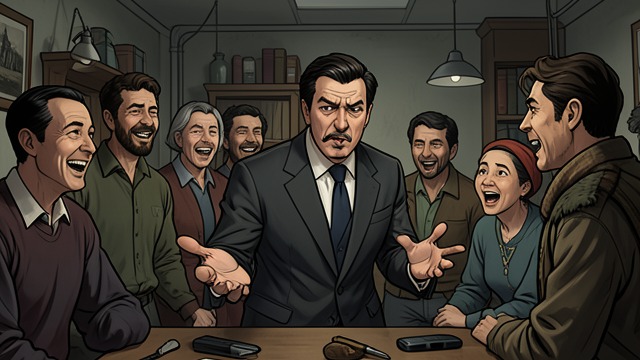
A Performance for the Men
Symptoms become comedy
Frank Minna treats Lionel’s wordplay and tics as a spectacle for clients and companions. Lionel’s disruptions can release tension and make his mind useful to the agency’s social maneuvers.
The cost of a role
Being funny provides Lionel with acceptance, yet it encourages others to mistake an involuntary condition for a chosen routine. The apparent freedom to speak is inseparable from being watched.
Silence and One Mind

Silence and One Mind
A practice resisted
Lionel tries to sit with Kimmery and focus on breathing, while Frank Minna’s remembered voice and his own associations interrupt the silence. The Zendo makes quiet feel like both an ideal and a demand.
Competing accounts of the self
The idea of One Mind promises unity, but Lionel experiences himself as several simultaneous tracks of attention. His response makes the spiritual vocabulary meaningful without making it a cure.
The Gun’s Brief Quiet
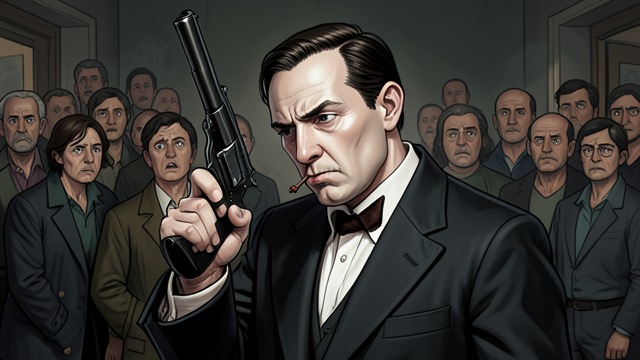
The Gun’s Brief Quiet
Attention narrowed
When Tony Vermonte points a gun at Lionel, the immediate danger temporarily suppresses much of Lionel’s verbal overflow. His focus becomes unusually direct because survival occupies his attention.
No cure in danger
The quiet is not healing but a temporary concentration created by threat. The novel refuses to turn violence into a treatment, showing instead how fragile Lionel’s control remains.
The Body’s Own Language

The Body’s Own Language
Touch changes the rhythm
Lionel finds that sexual excitement can gather his attention rather than simply suppress his symptoms. For a time, his gestures and sensations feel part of a larger shared experience.
No lasting solution
The intimacy is meaningful, but it does not remove Lionel’s condition or guarantee emotional security. Physical closeness becomes another language of connection, subject to the same limits as speech.
Before Lionel’s adolescence
During Lionel’s years with Frank Minna
During the first Zendo sitting
During Tony’s armed confrontation
During Lionel’s intimacy with Kimmery
